Skip to content
 Does this sound familiar? The wood siding on your home looked beautiful when it was finished. But after a few years under the intense New Mexico sun, the once-smooth surface may be peeling, cracking, fading, or showing signs of weather damage. It is time to replace the siding, and now you’re facing the same question all over again: should you stain or paint the exterior wood? Is it better to choose stain or paint for exterior wood in the Santa Fe area?
For homeowners in Santa Fe, Eldorado, Tesuque, and the Sangre de Cristo foothills, that decision matters. From traditional vigas and portal ceilings to wood trim and fences, exterior wood is exposed to intense UV radiation, low humidity, and dramatic weather conditions.
For most exterior wood, stain is often the better choice. Unlike paint, which forms a protective film on the surface, stain penetrates the wood fibers and is less likely to peel, crack, or bubble as the wood expands and contracts. However, paint can still be the right option for certain surfaces, wood conditions, and design goals.
In this guide, we’ll compare wood stain vs. paint to help you choose the best option for protecting your exterior wood in New Mexico.
WHY NEW MEXICO’S CLIMATE MAKES WOOD PROTECTION MORE DEMANDING
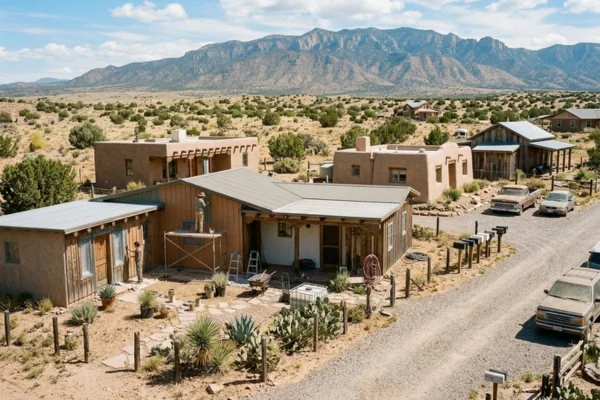
Exterior wood in Northern New Mexico faces more than ordinary wear and tear. Intense sunlight, dry air, strong winds, and dramatic temperature changes can all affect how wood and its protective finish perform. Understanding these conditions can help you choose the right product and plan for realistic maintenance.
Intense High-Altitude UV Exposure
At the elevations common to Santa Fe, Eldorado, Tesuque, and Los Alamos, a thinner atmosphere means less natural filtering of ultraviolet radiation. Over time, UV exposure breaks down lignin, the natural compound that helps bind wood fibers together.
As lignin degrades, unprotected wood can fade or turn gray, become brittle, and eventually crack along the grain. Exterior finishes are also under constant UV exposure. Paint may fade, chalk, and gradually lose adhesion, while a quality exterior stain with UV protection can help shield the wood without creating the same rigid surface film.
Dry Air and Low Humidity Pull Moisture From Wood
New Mexico’s dry climate can be especially demanding on exterior wood. As wood loses moisture, it can shrink, dry out, and become more vulnerable to checking, splitting, and cracking.
This repeated drying can also affect the finish protecting the surface. A penetrating stain is designed to absorb into the wood, while paint creates a film over the surface that may become more vulnerable as the wood beneath it changes.
Dramatic Temperature Swings Cause Constant Wood Movement
A warm, sunny afternoon can quickly give way to a cold evening in Northern New Mexico. These frequent temperature changes cause exterior wood to expand and contract repeatedly.
Over time, that movement puts stress on rigid paint films, particularly around seams, edges, joints, and areas with heavy sun exposure. Once paint begins to crack, moisture can seep beneath the surface and cause peeling.
Because stain penetrates the wood rather than simply coating the surface, it generally handles this natural movement better.
Wind, Dust, and Weather Exposure Add More Wear
Strong, dry winds can accelerate moisture loss and carry dust and debris against exposed surfaces. Combined with intense sunlight, this ongoing exposure can gradually wear down exterior finishes and leave vulnerable areas needing attention sooner.
The exact impact depends on your home’s location, elevation, wood species, and exposure. A sheltered portal ceiling may age very differently from a south-facing fence or exposed wood trim.
For these reasons, the best option for wood exteriors in New Mexico is not always simply the product that lasts the longest on paper. The right choice between stain or paint for exterior wood depends on the surface, its condition, how much direct exposure it receives, and whether you want a natural wood appearance or a solid, painted finish.
UNDERSTANDING THE DIFFERENCE BETWEEN STAIN AND PAINT ON EXTERIOR WOOD
When comparing stain and paint for exterior wood, the differences go beyond color and appearance. Stain and paint protect wood in fundamentally different ways, which affects how they perform, wear, and require maintenance in New Mexico’s demanding climate.
Before choosing between wood stain vs. paint, here is a quick comparison:
| Factor | Exterior Wood Stain | Exterior Paint |
| How it protects | Penetrates into the wood | Forms a protective film over the surface |
| Appearance | Preserves some or all of the natural wood grain | Provides solid, uniform color and coverage |
| UV protection | Varies by opacity; solid-body offers the most protection | Can provide excellent protection with a high-quality exterior formula |
| Wood movement | Moves naturally with the wood | Can crack or peel as the wood expands and contracts |
| How it wears | Gradually fades or wears away | May chalk, crack, blister, or peel |
| Maintenance | Usually easier to clean and recoat | May require scraping, sanding, and priming before repainting |
| Best suited for | Vigas, portal ceilings, rough-sawn, and exposed wood | Smooth, properly prepared trim, doors, fascia, and similar surfaces |
How Exterior Wood Stain Works
Stain is a thinner, more penetrating product that carries pigment and protective compounds into the wood grain rather than creating a thick film on top.
Exterior stains generally fall into three categories:
- Transparent stain: Preserves the wood’s natural appearance while providing the least UV protection.
- Semi-transparent stain: Adds more pigment and UV protection while allowing much of the wood grain and texture to remain visible.
- Solid-body stain: Provides the greatest coverage and UV protection among stain products while still allowing the finish to bond differently than traditional paint.
Because stain penetrates the wood rather than forming a thick surface layer, it generally does not peel in the same way paint can. Instead, it gradually fades and wears away, making maintenance and recoating more straightforward.
For traditional vigas, portal ceilings, rough-sawn lumber, and other exposed wood common in Santa Fe-style homes, semi-transparent and solid-body stains are often among the most practical choices.
How Exterior Paint Works on Wood
Paint protects wood by forming a continuous film across the surface. It provides excellent coverage, a uniform appearance, and strong color retention when applied properly as a high-quality exterior product.
For smooth, properly prepared wood—such as window trim, doors, fascia boards, and other architectural details—paint can be an excellent choice.
The challenge is that wood is not a completely stable material. New Mexico’s dry conditions, temperature swings, and intense sunlight can cause exterior wood to expand and contract repeatedly. Over time, that movement can stress a rigid paint film, particularly around seams, edges, joints, and heavily exposed surfaces.
Once paint begins to crack or peel, moisture and further weathering can affect the wood beneath it. Repair may then require scraping, sanding, surface preparation, and priming before repainting.

The Bottom Line – Stain or Paint for Exterior Wood
When deciding between paint vs. stain on wood, stain is often the more forgiving option for heavily exposed or textured exterior wood in New Mexico. Paint can still provide excellent protection and appearance on smooth, properly prepared surfaces where a solid, uniform finish is the goal.
The best choice depends on the type and condition of the wood, how much sun and weather exposure it receives, and the look and maintenance level you want for your home.
STAIN VS. PAINT FOR SPECIFIC EXTERIOR WOOD SURFACES IN SANTA FE HOMES
The best choice between stain or paint for exterior wood depends heavily on the surface you are protecting. Santa Fe homes often feature everything from rough, exposed vigas and latillas to smooth trim, doors, fences, and wood siding—and each surface responds differently to New Mexico’s intense sun, dry conditions, temperature swings, wind, and seasonal moisture.
| Exterior Wood Surface | Best Option | Why It Works Best | Important Considerations |
| Vigas and exposed structural timber | Stain | Penetrating or solid-body stain works well on round, rough, and porous wood without creating a rigid surface film that can crack or peel. | Vigas are highly exposed to UV, rain, snow, and moisture where they extend through exterior walls. Regular inspection and maintenance are important to prevent checking, rot, and deterioration. |
| Portal ceilings and latilla work | Semi-transparent stain | Protects the wood while preserving the natural texture, grain, and color variation that make these architectural features distinctive. | Although often shaded, these surfaces can still experience reflected UV exposure, wind-driven moisture, and seasonal changes. |
| Wood trim and window surrounds | Usually paint | Smooth, milled, properly primed wood provides an excellent surface for high-quality exterior paint. Paint also offers a uniform, solid color. | Proper preparation is critical. Cracked or peeling paint should be addressed before repainting, particularly on heavily exposed areas. |
| Exterior doors | Paint or stain | Paint is a strong choice for solid color and coverage, while stain works well when preserving the appearance of natural wood is the priority. | Exposure matters. A covered entry door will generally experience far less weathering than a south- or west-facing door without protection. |
| Decorative wood surrounds | Paint or solid-body stain | Both can provide strong coverage and UV protection while allowing you to achieve a coordinated exterior color scheme. | Solid-body stain can be a more forgiving option on surfaces that experience noticeable seasonal wood movement. |
| Wood fences | Stain | Fencing is often rougher and more porous than finish-grade lumber, allowing stain to penetrate effectively without the peeling issues associated with paint. | Fences can receive direct sun from multiple angles and significant wind exposure. Semi-transparent or solid-body stain is often a practical choice. |
| Wood siding or board-and-batten siding | Usually stain | Stain is generally more forgiving as large wood surfaces expand and contract through New Mexico’s temperature swings and dry conditions. | Paint can still work on properly prepared siding, but peeling repairs may be more labor-intensive. |
| Rough-sawn or weathered wood | Stain | Penetrating stain is often easier to apply and maintain on textured or irregular surfaces. | The wood may need cleaning, repair, or conditioning before refinishing, depending on its condition. |
| Smooth, finish-grade exterior wood | Paint or solid-body stain | Both products can perform well when the surface is properly prepared. | Your preferred appearance and willingness to handle future maintenance may be the deciding factors. |
The Bottom Line
There is no single answer to the best option for wood exteriors in New Mexico. In general, stain is often the more practical choice for rough, porous, heavily exposed, or traditional wood features such as vigas, latillas, fences, and wood siding. Paint tends to perform best on smooth, stable, properly prepared surfaces where a uniform color and finish are the primary goals.
When choosing between stain and paint options for Santa Fe homes, consider the type and condition of the wood, its sun and weather exposure, the look you want, and how much maintenance you are willing to take on over time.
PREPARATION AND COLOR: TWO FACTORS THAT STILL MATTER
Choosing the right product is important, but even the best stain or paint for exterior wood can fail prematurely if the surface is poorly prepared. Color choice also affects both the appearance and long-term performance of exterior wood in New Mexico’s intense sunlight.

Start With Proper Surface Preparation
Before applying stain or paint, remove dirt, dust, loose material, and any failing finish. Previously painted wood may need scraping, sanding, and priming, while weathered or previously stained wood may require cleaning and light surface preparation before recoating.
The goal is simple: stain needs to penetrate properly, and paint needs a clean, stable surface to bond to. Skipping preparation can shorten the life of either finish.
Choose Color With Your Home and Climate in Mind
Santa Fe homes often feature natural wood tones, warm browns, weathered grays, and other earth-inspired colors that complement adobe and stucco exteriors. If your property is located in a historic district or subject to architectural review, check any applicable requirements before finalizing your color.
In New Mexico’s intense UV conditions, darker, more saturated colors may also fade differently over time. Choosing a high-quality exterior product with strong UV and fade resistance can help maintain a more consistent appearance between maintenance cycles.
MAINTENANCE SCHEDULES: HOW OFTEN SHOULD YOU RECOAT EXTERIOR WOOD IN NEW MEXICO?
When deciding between stain or paint for exterior wood, maintenance is an important part of the equation. Recoating before the finish fails helps protect the wood from UV exposure, drying, cracking, and moisture damage—often preventing a simple maintenance project from becoming a more expensive repair.
Recommended Recoat Intervals for Exterior Stain
Different stain choices for Santa Fe homes offer different levels of protection and longevity:
- Transparent stain: Typically needs reapplication every one to two years on heavily exposed wood because it offers limited UV protection.
- Semi-transparent stain: Generally lasts two to four years, depending on sun exposure, wood condition, and surface preparation.
- Solid-body stain: Can last approximately four to six years on properly prepared wood.
South- and west-facing surfaces often need attention sooner because they receive more intense direct sunlight. Regular inspections can help you identify fading, dryness, or areas where the protective finish is beginning to wear away.
Recommended Recoat Intervals for Exterior Paint
High-quality exterior paint can extend the maintenance cycle on the right surface. For smooth, properly prepared, and primed wood, quality paint choices for Santa Fe homes may last approximately eight to twelve years before a full repainting is needed.
However, paint should still be inspected annually. Small cracks, peeling edges, or failing seams should be repaired early before moisture can get beneath the paint film and cause more extensive wood damage.
The Key Takeaway
The best option for wood exteriors in New Mexico is not always the one with the longest advertised lifespan. Stain may require more frequent recoating, but it often wears gradually and is easier to maintain. Paint can last longer on smooth, stable wood surfaces, but repairs may be more labor-intensive once peeling or cracking begins.
The right choice depends on the surface, its exposure, and whether you prefer easier ongoing maintenance or longer intervals between major refinishing projects.

THE RIGHT FINISH STARTS WITH THE RIGHT APPROACH
When deciding between stain or paint for exterior wood, there is no one-size-fits-all answer. Stain is often the more forgiving choice for rough, porous, or heavily exposed wood, while paint can provide excellent protection and long-lasting color on smooth, properly prepared surfaces.
The key is looking beyond the product label. Your wood’s condition, the amount of direct sun and weather exposure it receives, the type of surface, and your long-term maintenance expectations should all factor into the decision. Choosing the right finish before problems develop can help protect your exterior wood and avoid more extensive repairs later.
If you are unsure which option makes the most sense for your home, Santa Fe Painters can help you make an informed decision based on the actual condition of your wood—not a one-size-fits-all recommendation. Our team understands how Northern New Mexico’s intense UV exposure, dry climate, wind, and temperature swings affect exterior wood finishes.
CONTACT SANTA FE PAINTERS TODAY
We work with homeowners throughout Santa Fe, Eldorado, Tesuque, Los Alamos, and the surrounding communities. Whether you are refinishing traditional vigas, protecting a portal ceiling, updating exterior trim, or deciding between new stain and paint, we can evaluate the surface, explain the available options, and recommend an approach suited to your home and its exposure.
Ready to protect and refresh your exterior wood? Schedule a professional estimate or consultation with Santa Fe Painters. We’ll help you understand your options, choose the right approach, and move forward with confidence. We can take the guesswork out of that complicated and sometimes confusing question: “Should I choose stain or paint for exterior wood on my property?” Contact us today for answers!
FREQUENTLY ASKED QUESTIONS
Is it better to paint or stain wood outside in New Mexico?
For many exterior wood surfaces in New Mexico, stain is often the better choice because it penetrates the wood and is less likely to peel as the wood expands and contracts. Stain works particularly well on vigas, portal ceilings, fences, and rough-sawn wood. Paint can still be an excellent option for smooth, properly prepared surfaces such as trim and doors.
What are the disadvantages of staining exterior wood?
The main disadvantage of exterior stain is that it may require more frequent maintenance than paint. Transparent and semi-transparent stains can wear faster in direct sun, and stain may not provide the completely uniform, opaque appearance that paint offers. It can also reveal more of the wood’s natural imperfections and condition.
What lasts longer, exterior paint or stain on wood?
Paint generally lasts longer between recoats on smooth, properly prepared wood, while stain often provides easier long-term maintenance on rough or heavily exposed surfaces. Paint may last eight to twelve years under the right conditions, while most exterior stains require recoating every two to six years, depending on the product and sun exposure.
Is stain enough to protect wood outside in a high-desert climate?
Yes, a high-quality exterior stain with UV protection and water-repellent properties can effectively protect exterior wood in New Mexico when properly applied and maintained. Semi-transparent and solid-body stains generally provide more UV protection than transparent products. Existing rot, cracks, or structural damage should be repaired before applying any finish.
How do I know when exterior wood on my Santa Fe home needs to be restained or repainted?
For stained wood, look for fading, graying, excessive dryness, or water soaking into the surface instead of beading. For painted wood, watch for peeling, cracking, bubbling, or chalking. On vigas and other exposed timber, inspect for deep cracks, dark staining, soft areas, or signs of deterioration.
Should I stain or paint exterior vigas?
Stain is generally the preferred option for exterior vigas. Vigas are often round, rough, and heavily exposed to sunlight and weather, making a penetrating or solid-body stain more forgiving than a rigid paint film. Regular inspection is especially important around the top of the viga and where it passes through the exterior wall.
What type of stain is best for exterior wood in Santa Fe?
The best stain depends on the wood, its condition, and the amount of sun exposure. Semi-transparent stain is often a good choice when preserving the natural wood appearance is important, while solid-body stain provides greater coverage and UV protection. Heavily weathered or highly exposed wood may benefit from a more protective finish.
Does darker stain last longer in the New Mexico sun?
Not necessarily, but stains with more pigment generally provide greater UV protection than clearer products. A solid-body stain typically offers more UV resistance than a transparent stain because it contains more pigment. However, overall performance also depends on product quality, surface preparation, application, and the amount of direct sun exposure.
Can I paint over previously stained exterior wood?
Yes, but the surface must be properly prepared first. The existing stain may need cleaning, sanding, or removal depending on its condition and whether it leaves a surface that prevents paint from bonding properly. Using the appropriate exterior primer is also important before applying paint.
Can I stain over previously painted wood?
Generally, stain cannot penetrate through an existing paint film. If you want to change from paint to a penetrating stain, the old paint usually needs to be removed so the stain can reach the wood fibers. A solid-body stain may be an alternative in some situations, depending on the existing coating and surface condition.
Which exterior wood surfaces should be painted instead of stained?
Paint is often a good choice for smooth, stable, properly prepared wood where a uniform color and opaque finish are desired. Window trim, fascia, decorative surrounds, and some exterior doors can benefit from a high-quality exterior paint. The condition of the wood and its exposure to sun and weather should also influence the decision.