Skip to content
 Are you curious to know the answer to the question, “How long does it take to paint a room?” It’s not just about rolling on color prep time matters too. A small room might take a day, but factor in cleaning, patching, taping, and drying between coats, and you’re looking at a whole weekend easily. Going DIY add a few more hours. Hiring pros, it’s faster but still depends on complexity. Every detail, from wall texture to trim, affects the timeline. So, time it right for a smooth, satisfying transformation.
What Affects How Long It Takes to Paint a Room?
Several factors affect the time when we do interior painting, including the condition of the walls, room size, type of paint, and whether it’s a DIY project or done by professionals.

Room Size and Layout
The size and layout of a room significantly influence the time it takes to paint. Larger rooms with tall ceilings, multiple corners, or intricate features often demand more time. Simpler layouts or open floor plans allow quicker progress. Continually assess the space first to set realistic expectations.
Type and Condition of Walls
Wall conditions can affect how long it takes to paint a room. Smooth, clean walls make the process faster, while textured surfaces, damage, or the removal of wallpaper extend the timeline. Even dark colored walls may need extra prep or coats. Preparing surfaces well ensures better results and a more efficient job.
Number of Coats and Paint Type
The number of coats and the type of paint matter. High quality paint often requires fewer coats, saving time. Latex paint dries faster than oil based options. Drastic color changes or matte finishes may add extra layers. Using primer increases effort upfront but helps achieve smoother, longer lasting results with fewer top coats.
Prep Work and Drying Time
Prep work, such as moving furniture, taping edges, or fixing walls, can add hours before painting begins. Cleaning and priming also increase time. Drying time between coats varies with humidity and the type of paint. Skipping proper prep or rushing drying stages can lead to uneven results and longer touch-up efforts later.
DIY vs. Professional Painting
DIY painting can take days, especially with prep, drying, and cleanup. Inexperienced painters may encounter delays due to extra coats or challenging areas. Thanks to their tools and experience, hiring a professional speeds up the process. Still, you’ll need to factor in scheduling availability to avoid unnecessary wait times.
How Long to Paint a Room? Average Time to Paint Different Types of Rooms
When you’re planning to paint a room, the type of space can really affect how long it takes. For instance, painting a bedroom usually takes less time than tackling a living room or a kitchen. Let’s break down the average time for each of these areas so you can better prepare for your project.
How Long to Paint a Bedroom
Learning to paint a bedroom starts with knowing your room’s size, the type of paint, and the preparation needs. A basic job can take 4-8 hours, but multiple coats, dark colors, or additional preparation can extend that time. New painters may take longer than seasoned DIYers. Don’t forget to allow for drying time between coats. Painting your bedroom can be efficient and rewarding with good planning and proper tools. Allow enough time to ensure a smooth, polished result.
How Long to Paint a Living Room
Living rooms typically take 6 to 10 hours to paint, depending on their size, ceiling height, and the number of coats. Larger or taller rooms take more time. Preparing the space moving furniture and taping edges adds an hour or more. Bold colors or textured walls can increase the workload. If you’re wondering how long it takes to paint a room like this, plan your time realistically. Whether solo or with help, a well organized approach ensures professional looking results.
How Long to Paint a Bathroom or Kitchen
Painting a bathroom or kitchen takes about 4-6 hours. Bathrooms are often smaller and quicker, while kitchens require more time for cabinets, trim, and detailed work. Prep includes cleaning, patching, and taping, which can add an hour. Don’t forget drying time especially for humid spaces. When painting cabinets, expect a longer process due to the extra coats and cure time. Careful prep and timing make all the difference in achieving a clean, updated look in these high traffic areas.
Step-by-Step Timeline: How to Paint a Room Efficiently
To paint a room efficiently, you’ll want to follow a clear timeline. Start with prep work, then move on to taping and cutting in edges before rolling on the paint. Each step takes a specific amount of time, so staying organized helps guarantee a smooth process.
Step 1: Prep Work (1–2 hours)
Prep work usually takes 1 to 2 hours. Move furniture, cover items with drop cloths, and clean the walls. Patch holes with filler, then sand smooth. Remove outlet covers and decorations. These essential steps ensure that the paint adheres properly and creates a flawless base when learning about painting a bedroom efficiently and neatly.
Step 2: Taping and Protecting Surfaces (30–60 mins)
Spend 30 to 60 minutes taping trim, doors, and windows using painter’s tape. Press it down firmly to prevent bleed through. Lay down drop cloths to protect floors and cover furniture. This careful preparation prevents mistakes and is a vital part of the process when figuring out how to do it like a pro.
Step 3: Cutting In Edges (30–60 mins)
Cutting in edges takes 30 to 60 minutes and helps define clean borders. Use a quality angled brush to paint corners, ceilings, and trim areas before rolling. This detailed work ensures crisp lines and smooth blending. Don’t rush cutting in properly is one of the most critical steps in painting your bedroom effectively.
Step 4: Rolling Paint on Walls (1–2 hours)
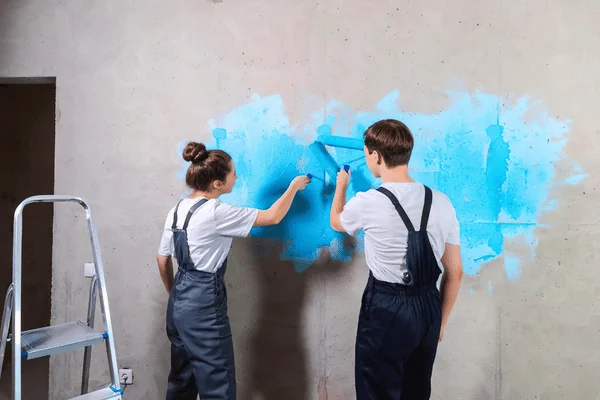
Rolling takes 1 to 2 hours. Pour paint into a tray, load the roller, and apply it in a “W” or “M” pattern. Blend sections evenly from top to bottom. Wondering how long does it take to paint a room? This is typically the most time consuming step but it is also where transformation happens.
Step 5: Dry Time Between Coats (2–4 hours)
Let the first coat dry for 2-4 hours before applying another. Factors like paint type, humidity, and room temperature can affect this. Test dryness with a gentle touch. This waiting period is critical to prevent smudging and uneven coverage, ensuring a lasting result in your freshly painted bedroom.
Step 6: Touch-Ups and Cleanup (1–2 hours)
Spend 1 to 2 hours on final touch ups and cleanup. Fix any missed spots or drips, remove the tape slowly, and clean your brushes and trays. Dispose of drop cloths and packaging correctly. This final step wraps up the project and completes your guide on how to paint a bedroom from start to finish.
How to Paint a Bedroom Quickly and Effectively

When you’re ready to paint your bedroom, having the right tools can speed up the process. You’ll also want to know some tips for achieving faster and cleaner results. Plus, there might be times when hiring a pro is the best choice for a quick turnaround.
Must-Have Tools for a Speedy Job
To paint a bedroom efficiently, having the right tools makes all the difference. These essentials help you move quickly while keeping your work clean and precise:
- Paint roller and tray – For fast, even wall coverage
- Extension pole – Reaches high spots without a ladder
- Angled brush – Perfect for corners and trim
- Painter’s tape – Protects edges from paint bleed
- Drop cloths or plastic sheets – Shield floors and furniture
- Paint can opener and stir stick – For smooth, ready-to-use paint
- Paint edger – Speeds up clean edge work
- Step ladder – Helps access ceilings and tall walls
- Mixing bucket – Useful if combining paint for consistency
Tips for Faster and Cleaner Results
Want a quick, clean paint job without the mess? With the right prep and a few smart techniques, you can paint efficiently and get professional looking results. Follow these simple steps:
- Gather supplies: Have paint, rollers, brushes, painter’s tape, drop cloths, and a ladder ready.
- Prep the room: Remove or cover furniture and tape off trim, doors, and windows.
- Use proper tools: Roll large areas and brush edges.
- Work in sections to maintain a wet edge and avoid lap marks.
- Clean as you go: Wipe spills and tidy up to stay organized.
When to Hire a Pro for a One-Day Bedroom Paint Job
If you’re short on time or tackling a large or complex room, hiring a pro is a smart move. Professional interior painters bring the tools, experience, and speed to finish the job in a single day something that might take you all weekend. They also handle prep, cleanup, and tricky surfaces like textured walls. Many even offer color consultations. If you want polished results without the stress, bringing in a professional can save time and deliver a cleaner, more efficient outcome.
Common Delays and How to Avoid Them
When you’re ready to paint, several factors can slow you down. Weather and humidity can affect drying times, while poor wall conditions or using the wrong paint type can lead to bigger issues.
Weather and Humidity
Weather plays a significant role in determining how long it takes to paint a room. High humidity can delay drying, while low humidity speeds up drying but may cause uneven finishes. Aim for ideal conditions humidity between 40% and 70% and temperatures between 50°F and 85°F. This helps your paint dry evenly, allowing you to proceed with your project smoothly.
Poor Wall Condition or Damage
Before painting, inspect your walls for damage, such as cracks, peeling, or water stains. If these issues aren’t addressed, they’ll lead to delays. Patch holes, sand smooth, and treat mold with specialized cleaners. Preparing your walls properly might take time, but it guarantees a professional finish and speeds up the entire painting process.
Using the Wrong Paint Type
Choosing the wrong paint can cause delays and frustration. Using interior paint in high moisture areas, such as bathrooms, can lead to mold growth. For durability, choose semi gloss or satin finishes in high-traffic areas. Research the correct type of paint latex dries faster, while oil based provides a smooth finish but takes longer. This ensures your project progresses efficiently.
FAQs: How Long Will It Take to Paint a Room?
How long does it take to paint a room? Questions like whether you can finish in a single day, whether ceilings and trim add extra time, and how long to wait between coats are common.
1. Can you paint a room in one day?
Yes, you can paint a room in one day with proper planning and preparation. Clear the space, prep surfaces, and use fast drying paint. Start early and paint the edges first, then roll the walls. If the first coat dries too quickly, apply a second coat. With efficient workflow, the room can be painted and dried by evening.
2. Do ceilings and trim take longer to install?
Yes, ceilings and trim usually take longer because of the precision work required. Ceilings are harder to reach and may require additional coats, especially if they are textured. Trim involves detailed brushwork and taping to avoid splatter. These areas often demand more time than walls, so plan accordingly to ensure a smooth and polished result.
3. How long should I wait between coats?
Wait 2-4 hours between coats for latex paint and 6-8 hours for oil based paint. Humidity and temperature can affect drying time, so check the label for guidance. Make sure the surface feels dry to the touch. Rushing between coats can lead to peeling or uneven finishes, so patience is key.
4. Does paint dry faster with fans or heat?
Yes, fans and heat can help paint dry faster. Fans improve air circulation and reduce humidity, which speeds up evaporation. Heat boosts drying but should be used cautiously to avoid uneven results. Don’t overheat the room moderate airflow and proper ventilation work best for quicker, safer paint drying.
Final Thoughts: Plan Your Paint Project with Confidence
If you’re asking, ‘ How long does it take to paint a room? ‘ the answer depends on how well you plan. Choose the right paint for your space, gather quality tools, and prepare the room by taping edges and moving furniture. Estimate paint quantity and drying time accurately. Allow for touch ups and breaks in your timeline. Staying organized throughout the process ensures fewer surprises. With careful preparation and the right mindset, you can achieve a smooth, professional-looking finish. Need it done fast and flawlessly? We’ve got you covered!