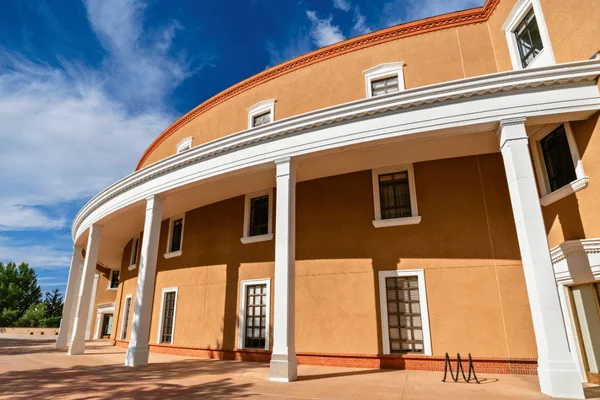
Skip to content
 Choosing the best colors for stucco homes in Santa Fe is about far more than curb appeal or personal preference. At nearly 7,000 feet above sea level, Santa Fe’s intense UV exposure, dry climate, and dramatic temperature swings can cause exterior paint to fade, chalk, and wear far sooner than in many other parts of the country. That’s why smart Santa Fe home color choices balance timeless Southwestern style with long-term durability.
For homeowners in Santa Fe, Eldorado, Tesuque, and the surrounding foothills, selecting the right exterior color means protecting your stucco as much as enhancing your home’s appearance. The right paint system helps shield the surface from UV damage, manages heat absorption, preserves the architectural character of Northern New Mexico homes, and can even increase property value.
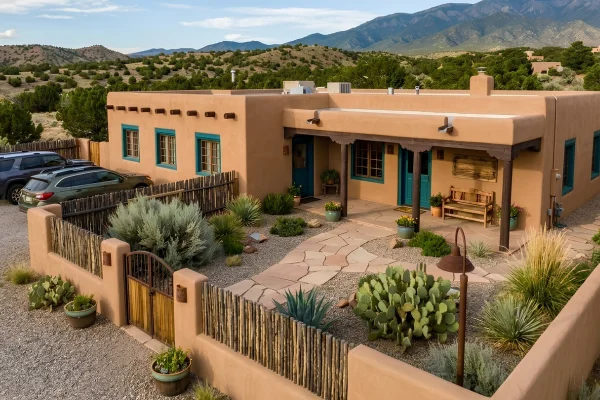
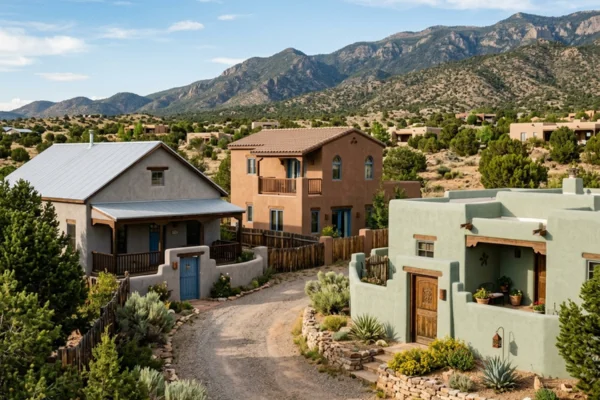
The most successful stucco paint colors for Santa Fe homes are inspired by the surrounding landscape. Warm beiges, sandy tans, soft ochres, muted sages, and rich terracotta tones complement traditional adobe architecture while standing up to the region’s harsh sunlight. When paired with premium exterior coatings and fade-resistant pigments, these colors maintain their appearance significantly longer than many brighter or synthetic alternatives.
In this guide, you’ll discover the best exterior paint colors for stucco homes, learn how to choose exterior paint colors for your house based on Santa Fe’s unique climate, explore today’s most popular color trends, and find practical advice for selecting a finish that will look beautiful and perform for years to come.
WHY COLOR CHOICE MATTERS MORE ON STUCCO THAN ON OTHER SURFACES
Stucco behaves differently than wood, fiber cement, or vinyl siding, which means choosing the right exterior color requires more than simply picking a shade you like.
Because stucco is naturally porous, paint doesn’t just coat the surface—it penetrates and bonds with the material itself. That affects how the finished color looks, how evenly it ages, and how well it withstands Santa Fe’s intense climate.
Several factors influence the final appearance of a stucco home, including:
- the texture of the stucco
- the existing base color
- the type of paint used
- sun exposure throughout the day
- the quality of the pigments
Understanding these factors helps homeowners choose colors that stay beautiful for years instead of fading prematurely.
How UV Exposure Affects Stucco Paint in Santa Fe
With more than 300 days of sunshine each year, Santa Fe is one of the harshest environments in the country for exterior paint.
High-altitude UV radiation gradually breaks down paint pigments, causing colors to fade, chalk, and lose depth over time. South- and west-facing walls usually show wear first because they receive the most direct sunlight.
Some colors naturally perform better than others.
Colors that typically fade faster include:
- Bright reds
- Deep blues
- Vibrant greens
- Highly saturated colors
Colors that typically retain their appearance longer include:
- Warm beiges
- Sandy tans
- Soft ochres
- Terracotta
- Muted sage greens
- Earth-tone neutrals
These colors often rely on mineral and iron-oxide pigments that resist UV degradation far better than many synthetic pigments, making them an excellent choice for Santa Fe home color choices that are both beautiful and long-lasting.
For maximum durability, look for premium exterior paints designed for high-altitude or desert climates. Elastomeric coatings can also provide longer-lasting color retention while helping protect stucco from hairline cracking and moisture intrusion.
How Stucco Texture Changes Color Appearance
The same paint color can look noticeably different depending on the texture of your stucco.
Smooth finishes reflect light more evenly, making colors appear brighter and closer to the paint sample. Heavier textures—such as sand finish or skip trowel—create thousands of tiny shadows that naturally darken and soften the final color.
For example, a light beige on a paint chip may appear closer to a medium tan once it’s applied to a heavily textured wall.
Before committing to a color, apply large test samples directly to your home’s stucco and view them at different times of day. Morning, afternoon, and evening light can dramatically change how a color appears, especially under Santa Fe’s bright desert sun.

Paint Quality Matters as Much as Color
Even the best exterior paint color for stucco won’t perform well if it’s paired with a low-quality paint.
Premium exterior coatings use higher-quality pigments, stronger binders, and better UV inhibitors that help colors stay richer and more consistent for years. They also adhere better to stucco, reducing peeling, chalking, and premature fading.
Professional painters can also recommend finishes formulated specifically for New Mexico’s dry climate, ensuring your investment lasts as long as possible.
THE SANTA FE PALETTE: EARTH TONES THAT HOLD UP AND STAND OUT
The most successful Santa Fe home color choices have something in common—they’re inspired by the surrounding landscape and designed to withstand the region’s intense sun, dry climate, and traditional Southwestern architecture.
The best colors for stucco homes don’t just look beautiful. They resist fading, complement the texture of stucco, hide dust more effectively, and maintain their appearance for years.

Warm Tans, Sandstone, and Adobe Tones
Warm tans and sandstone shades remain the most popular stucco paint colors for Santa Fe homes, offering the ideal balance of beauty and performance.
Why homeowners choose these colors:
- Resist UV fading with mineral-based pigments
- Hide dust better than very light colors
- Absorb less heat than darker shades
- Complement traditional adobe and Southwestern architecture
- Stay timeless and work with nearly any trim color
Popular examples include Benjamin Moore Navajo White, Sherwin-Williams Accessible Beige, and similar warm neutrals developed for high-desert environments.
Terracotta, Ochre, and Pueblo Red
For homeowners wanting a richer Southwestern look, terracotta, ochre, and pueblo red remain classic choices that reflect Northern New Mexico’s architectural heritage.
These colors offer several advantages:
- Excellent UV stability when made with iron oxide pigments
- Rich contrast against natural stone and wood accents
- Strong connection to traditional Pueblo design
- Warm appearance throughout every season
Before choosing a terracotta color, check the pigment.
Not every terracotta paint performs the same. Some manufacturers rely on synthetic red pigments that can fade much faster under Santa Fe’s intense UV exposure.
For the longest-lasting finish, choose paints formulated with iron oxide pigments and premium exterior coatings designed specifically for high-altitude climates. An experienced painting contractor can help you compare products that maintain their color for years versus those that may begin fading after only a few seasons.
GRAY AND NEUTRAL STUCCO COLORS: MODERN OPTIONS THAT WORK IN THE DESERT
While warm earth tones remain the hallmark of Southwestern design, many homeowners are choosing modern exterior house paint colors that still complement Santa Fe’s landscape and architecture. The key is selecting warm, desert-friendly neutrals that perform well in intense sunlight.

Warm Grays and Greige: The Best Modern Choice
If you’re considering gray for your stucco home, choose a warm gray or greige rather than a cool, blue-based gray.
Cool grays often appear washed out under Santa Fe’s bright sun and can feel out of place against the area’s warm earth tones. Warm grays, on the other hand, blend beautifully with adobe, natural stone, and wood accents while creating a clean, contemporary look.
Why warm grays work in Santa Fe:
- Complement traditional Southwestern architecture
- Pair well with natural wood vigas and trim
- Maintain warmth without looking overly beige
- Create a modern appearance that still suits the desert landscape
- Transition easily between classic and contemporary home styles
Popular choices include Sherwin-Williams Accessible Beige, Sherwin-Williams Agreeable Gray, and other warm greige tones with subtle beige undertones.
Charcoal and Deep Neutral Accents
Dark neutrals can add striking contrast—but they’re usually best used as accents rather than the primary body color on a stucco home.
Excellent places to incorporate charcoal or deep neutral colors include:
- Front doors
- Window trim and surrounds
- Portal columns
- Garage doors
- Fascia and decorative architectural details
These darker accents create visual depth while highlighting the texture and character of the stucco.
GREEN AND SAGE TONES FOR STUCCO: WHEN THEY WORK AND WHEN THEY DON’T
Muted greens have become one of the fastest-growing modern exterior house paint colors, especially for homeowners who want a fresh look while staying connected to Santa Fe’s natural landscape.
The key is choosing greens that complement the desert environment—not compete with it.

Sage Green: A Timeless Southwestern Choice
Soft sage is one of the best colors for stucco homes when it has warm, earthy undertones.
Unlike brighter greens, muted sage blends beautifully with adobe architecture, native landscaping, and natural stone while maintaining a subtle, sophisticated appearance.
Why sage green works well on stucco:
- Complements the high-desert landscape
- Pairs beautifully with natural wood beams and stone
- Creates a soft, contemporary look
- Hides dust better than lighter colors
- Ages gracefully in Santa Fe’s intense sunlight
For the best results, choose sage greens with gray or brown undertones rather than yellow-green or highly saturated shades.
Desert Olive: Rich Color With Long-Lasting Performance
Desert olive offers homeowners a deeper, earthier alternative to traditional tan or beige.
Blending warm green with subtle brown undertones, these colors echo the surrounding piñon, juniper, and desert vegetation while maintaining the warmth associated with classic Southwestern architecture.
Many premium desert olive paints also rely on iron oxide pigments, making them an excellent choice for long-term UV resistance in New Mexico’s high-altitude climate.
Exterior Colors That Don’t Perform Well in Santa Fe
Not every trending exterior color is a good fit for stucco homes in Northern New Mexico.
Colors that often require more maintenance include:
- Bright white
- Pure white
- Cobalt blue
- Bright yellow
- Fire-engine red
- Highly saturated greens
These colors typically fade faster, highlight dust and dirt more easily, or show uneven weathering under Santa Fe’s intense UV exposure.
HDRB COMPLIANCE AND COLOR SELECTION IN SANTA FE
Many historic neighborhoods in Santa Fe have exterior color requirements established by the Historic Design Review Board (HDRB). These guidelines help preserve the city’s distinctive Southwestern architecture and historic character.
Understanding HDRB Color Standards
If your home is located in an HDRB-regulated district or an HOA with similar architectural standards, you’ll typically need to choose from an approved palette of earth tones, warm neutrals, and other muted natural colors. Bright or highly saturated colors are generally not permitted on primary stucco surfaces.
Creating a Unique Look Within the Guidelines
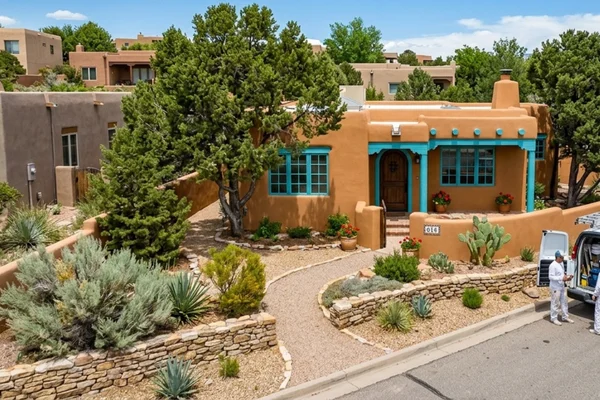
Meeting HDRB requirements doesn’t mean your home has to look like every other house on the street. Thoughtful combinations of body color, trim, doors, and architectural accents can create a distinctive look while remaining fully compliant.
An experienced painting contractor can help you determine whether your home falls under HDRB regulations, navigate the approval process, and select colors that reflect your personal style while meeting local requirements.
SURFACE PREPARATION: THE STEP THAT DETERMINES HOW LONG YOUR COLOR LASTS
Choosing the best exterior paint color for stucco is only half the job. Proper surface preparation has an even bigger impact on how long your paint lasts.
In Santa Fe’s dry climate, intense UV exposure, dust, and dramatic temperature swings can shorten the life of a paint job if the stucco isn’t properly repaired, cleaned, and primed first.
Repair Stucco Cracks Before Painting
Daily temperature swings in Santa Fe cause stucco to expand and contract, leading to small hairline cracks over time.
Painting over these cracks traps moisture beneath the coating, which can eventually cause peeling, blistering, and premature paint failure.
Before painting, contractors should:
- Repair cracks with flexible, elastomeric patching materials
- Seal joints and gaps with high-quality exterior caulk
- Allow repairs to fully cure before applying primer and paint
Proper repairs help create a smooth, durable surface that moves naturally with the stucco.
Clean and Prime for Better Paint Performance
Even the best colors for stucco homes won’t perform well if they’re applied over dirty or unsealed surfaces.Before painting, stucco should be:
- Cleaned to remove dust, dirt, and mineral deposits
- Allowed to dry completely
- Primed with a high-quality masonry primer to create a uniform, sealed surface
Skipping the primer is one of the most common causes of uneven color, poor adhesion, and premature fading. A properly primed surface improves paint coverage, enhances color consistency, and helps your exterior finish last significantly longer.

Selecting the best colors for stucco homes is about more than finding a shade you love. The right color should complement your home’s architecture, withstand Santa Fe’s intense UV exposure, comply with local design guidelines when required, and provide years of lasting beauty and protection.
At Santa Fe Painters, we help homeowners make confident, informed decisions. From personalized color consultations and HDRB-friendly recommendations to expert surface preparation and premium exterior coatings, our team understands what it takes to create a finish that performs in Northern New Mexico’s demanding climate.
Whether you’re updating a historic adobe, refreshing a contemporary stucco home, or planning a complete exterior transformation, we’ll help you choose Santa Fe home color choices that enhance curb appeal while protecting your investment for years to come.
Schedule your free, no-obligation color consultation and painting estimate today. We’ll evaluate your home’s condition, discuss your goals, recommend durable paint systems, and help you select colors designed to look beautiful in Santa Fe’s unique high-desert environment.
Let Santa Fe Painters help you create an exterior that’s built to last—and one you’ll enjoy coming home to every day. We are here to help you find the best color palette options for New Mexico homes, just like yours.
FREQUENTLY ASKED QUESTIONS
What are the best colors for stucco homes in Santa Fe?
The best colors for stucco homes in Santa Fe are warm tans, sandstone, adobe beige, terracotta, muted sage, and soft greige. These earth-toned colors complement Southwestern architecture, resist UV fading better than many bright colors, and perform well in New Mexico’s high-altitude climate.
What are the best stucco colors trending for 2026?
The top exterior color trends for 2026 include warm greige, muted sage green, desert olive, terracotta, creamy neutrals, and soft sandstone. These colors create a modern appearance while complementing Santa Fe’s landscape and offering better long-term durability than cooler or highly saturated shades.
What colors should you avoid on exterior stucco?
Avoid bright, highly saturated colors like cobalt blue, vivid yellow, bright red, and pure white on stucco in high-UV climates. These colors tend to fade faster, highlight dust and dirt, or require more maintenance. Muted earth tones typically provide better long-term performance.
What is the new trend in exterior house colors?
Today’s biggest trend is moving away from cool grays toward warmer, nature-inspired colors like greige, sandstone, terracotta, muted olive, and warm beige. These shades offer a timeless appearance while blending beautifully with Southwestern architecture and desert landscapes.
How do I choose the right exterior paint color for my stucco home?
Choose colors that complement your home’s architecture, perform well in Santa Fe’s climate, and meet any applicable HDRB or HOA requirements. Always test paint samples directly on the stucco in different lighting conditions before making your final decision.
Does stucco color affect how long exterior paint lasts?
Yes. While paint quality is equally important, earth-toned colors made with mineral-based pigments generally resist UV fading better than bright, highly saturated colors. Choosing the right color and coating system can help your exterior maintain its appearance for years longer.
What is the best exterior paint color for stucco?
Warm neutrals such as sandstone, adobe beige, soft taupe, muted sage, and greige are among the best exterior paint colors for stucco. They complement textured surfaces, withstand intense sunlight, and provide a timeless appearance that suits many architectural styles.
Do darker stucco colors make a home hotter?
Dark colors absorb more solar heat than lighter shades, which can increase surface temperatures on stucco. While darker colors can create beautiful accents, many homeowners choose lighter earth tones for large wall areas to improve durability and reduce heat absorption.
How often should a stucco home be repainted in Santa Fe?
A professionally prepared and painted stucco home typically needs repainting every 7 to 10 years, depending on sun exposure, paint quality, and surface condition. Proper crack repair, priming, and premium exterior coatings can significantly extend the life of the finish.
Can I use any exterior paint on stucco?
No. Stucco performs best with premium masonry paints or elastomeric coatings designed for porous surfaces. Using the right products helps improve adhesion, flexibility, moisture protection, and long-term color retention in Santa Fe’s challenging climate.
Should I pressure wash stucco before painting?
Yes. Cleaning removes dust, dirt, mineral deposits, and loose paint that can prevent proper adhesion. Depending on the condition of the stucco, contractors may use low-pressure washing or hand cleaning to protect the surface while preparing it for primer and paint.
Do I need approval to repaint my stucco home in Santa Fe?
If your home is located within a historic district or certain HOA communities, you may need HDRB or architectural approval before changing exterior colors. A local painting professional can help determine whether your property is subject to these requirements.
Is a professional color consultation worth it?
A professional color consultation helps you choose colors that complement your home’s architecture, perform well in Santa Fe’s climate, and comply with any local guidelines. It can also help you avoid costly repainting caused by selecting the wrong color or finish.
What paint finish is best for exterior stucco?
Flat and low-luster finishes are the most common choices for stucco because they minimize surface imperfections and reduce glare in bright sunlight. The best finish depends on your home’s texture, condition, and the paint system being used.
Why should I hire a local Santa Fe painting contractor?
A local contractor understands Santa Fe’s unique climate, UV exposure, stucco construction, and HDRB requirements. They can recommend durable paint systems, proper surface preparation, and Santa Fe home color choices that provide lasting beauty while protecting your investment.